Get Healthy!
- Posted January 14, 2026
Chronic Illnesses Increase Risk Of Botox Side Effects, Experts Say
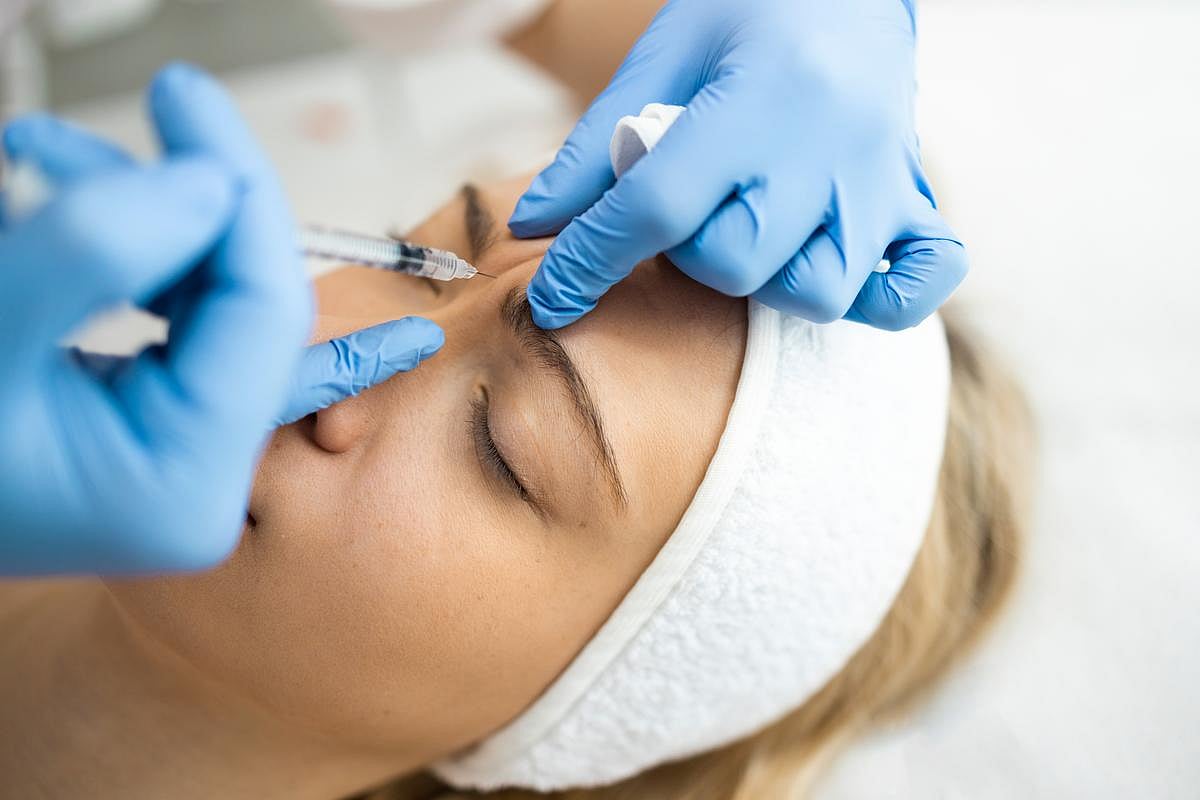
People with diabetes, migraines and other chronic illnesses should think twice before receiving cosmetic Botox injections, a new study says.
These sorts of ongoing health problems can dramatically increase the risk of side effects from botulinum toxin injections, researchers recently reported in Aesthetic Surgery Journal.
Side effects can include nausea, headaches, bruising, loss of facial expression, muscle weakness and persistent eyelid droop, researchers said.
The study “exposes the myth that botulinum toxin is a trivial cosmetic procedure,” said senior researcher Lee Smith, a professor of public health at Anglia Ruskin University in the U.K.
“Our data establishes that it is a complex medical intervention with complication profiles strongly influenced by chronic disease, psychiatric history, immune status and anatomical risk factors,” he said in a news release.
Botox is a neurotoxin that affects nerves and causes muscle weakening, according to the Cleveland Clinic. It’s used in cosmetic procedures to relax muscles that cause wrinkles.
For the study, researchers surveyed more than 900 U.K. adults who’d received Botox treatments for aesthetic reasons.
Results linked chronic illnesses to complications from Botox:
People with type 1 diabetes were 92 times more likely to become nauseous following their injections.
Those with thyroid disorders and chronic migraines had about a 10-fold increased risk of nausea.
Patients with cataracts were 30 times more likely to report headaches.
Those recovering from a prior injury had a 21-fold increased risk of losing facial expression and a nearly 10-fold increased risk of muscle weakness.
These side effects might owe to the physical burden of the people’s chronic illnesses or to interactions between the Botox and medications the people might be taking for their condition, researchers said.
Previous research had linked Botox injections to side effects like pain, swelling and headache in about 16% of cases, but until now little was known about whether some patients had a higher risk than others, researchers said.
Only medically qualified professionals should be allowed to inject Botox, given this risk of side effects, researchers said.
The U.K. government is considering tighter regulations around cosmetic injections, a move researchers said is supported by these findings.
“Safe administration requires not just injection skill but diagnostic discernment, psychological insight, and systemic medical understanding,” Smith said.
“Injecting into the human face and neck, particularly in patients with pre-existing conditions or psychological vulnerability, is not a beauty task,” he said. “It is a medical procedure requiring expert judgment.”
More information
The Cleveland Clinic has more on Botox treatment.
SOURCE: Anglia Ruskin University, news release, Jan. 9, 2026
