Manténgase sano!
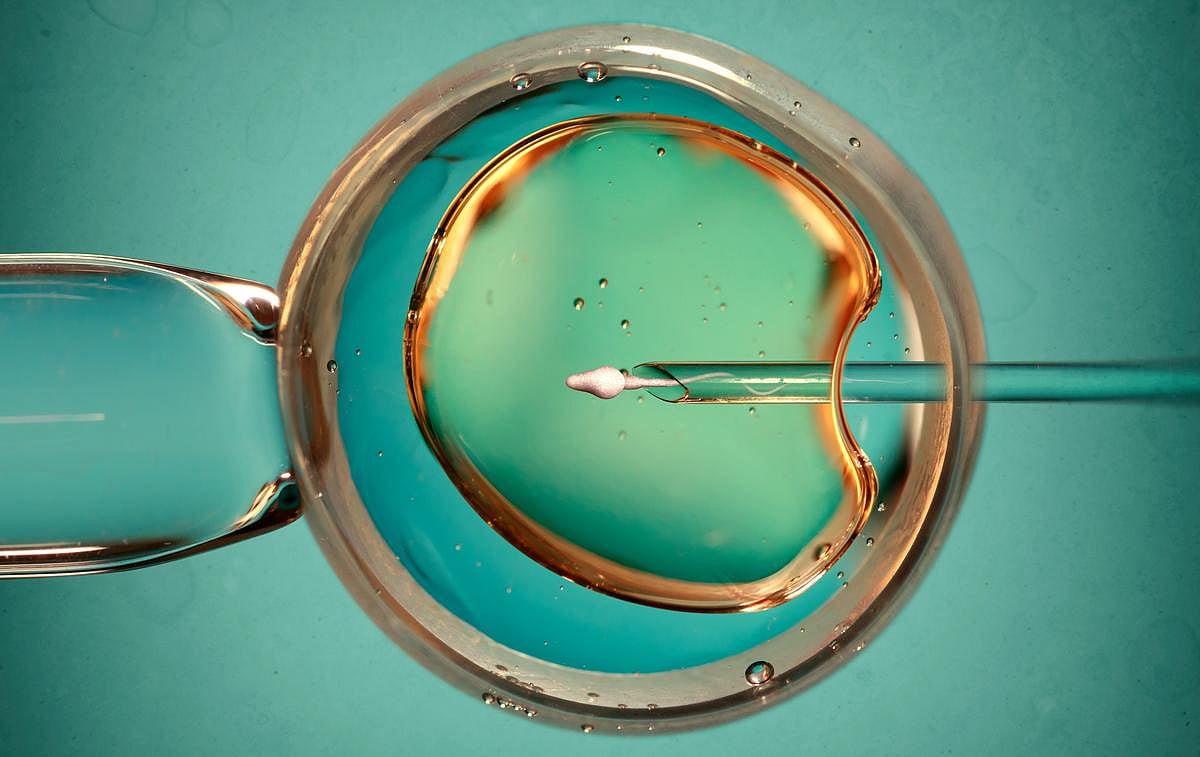
- Posted August 7, 2026
Review Finds Little Proof IVF Embryo Transfer Tricks Boost Success
Techniques meant to improve the odds that in vitro fertilization (IVF) will result in pregnancy have little to no medical evidence behind them, a new review says.
Doctors try a number of methods to improve the success rate of embryo transfer, which is considered the most crucial step in the IVF process.
These include having women undergo the procedure with a full bladder to improve the angle of transfer, removing cervical mucus prior to transfer, and “afterloading” — a process in which the embryo is loaded into the catheter for transfer after the device has been positioned in the uterus.
Only a third of embryo transfers result in pregnancy, giving doctors impetus to try any measures that might improve odds of success, researchers said.
But none of these three techniques are backed by any reliable evidence of benefit, researchers reported Aug. 6 in the Cochrane Database of Systematic Reviews.
“To an extent, this is a case of tradition driving practice rather than the evidence,” said researcher Dr. Ryosuke Akino, a practicing obstetrician-gynecologist at Kato Ladies Clinic in Tokyo.
“Current practices in this area often reflect local protocols, clinician preference and historical convention rather than strong, high-quality evidence,” Akino said in a news release.
For the review, researchers analyzed 11 prior studies involving more than 2,500 women undergoing embryo transfer.
They found trials of the three techniques — full bladder, mucus removal and afterloading — were small and riddled with methodological weaknesses, providing low or very low certainty evidence.
The research team did not find grounds to recommend any of the techniques over standard IVF care during embryo transfer.
“Sixteen years of research still haven’t answered a basic IVF technique question,” lead researcher Noyuri Yamaji said in a news release.
“This is a critical step in the IVF process and these small changes and techniques have the possibility to make a massive difference, but we won’t know more until more robust, better-quality trials are conducted,” said Yamaji, who is a senior lecturer at Showa Medical University in Japan.
However, these techniques also aren’t likely to cause any undue harm, researchers noted.
"While these techniques are generally considered safe, it’s still important to test their effectiveness," said researcher Dr. James Brown, an obstetrician-gynecologist at Women’s Health and Research Institute Australia.
“A full bladder can be uncomfortable, although it may ease catheter insertion in certain uterine positions and reduce procedural difficulty. Mucus removal is usually quick, but if done roughly and causes bleeding, it may affect the woman’s experience,” Brown said in a news release. “Overall, the risks are minor and relate mostly to discomfort and procedural factors rather than clinical harm."
Further study is needed to better understand whether these techniques might improve the odds of successful transfer, researchers concluded.
More information
The American Pregnancy Association has more about embryo transfer.
SOURCE: Cochrane, news release, Aug. 5, 2026
